

Massage Therapy Awareness Week 2026
October 2026
To celebrate Massage Therapy Awareness Week, we are sharing seven facts about Massage Therapy you need to know. You are welcome to share this article with your family, friends, and colleagues to help spread the word!
Massage Therapy is a regulated health profession
In Ontario, only registrants of the College of Massage Therapists of Ontario (CMTO) can use the protected titles Registered Massage Therapist (RMT)/Massage Therapist (MT) and provide Massage Therapy care.
Massage Therapy is a regulated health profession. Like other regulated health professionals, RMTs/MTs must follow a Code of Ethics, meet Standards of Practice, maintain their professional knowledge and skills, and provide safe, ethical, and patient-centred care.
CMTO oversees the profession in the public interest by setting expectations for professional practice, investigating concerns and complaints of RMTs/MTs, and holding registrants accountable when those expectations are not met. Regulation helps ensure that patients can have confidence in the care they receive from an RMT/MT and upholds trust in the profession.
Massage Therapy is clinical health care
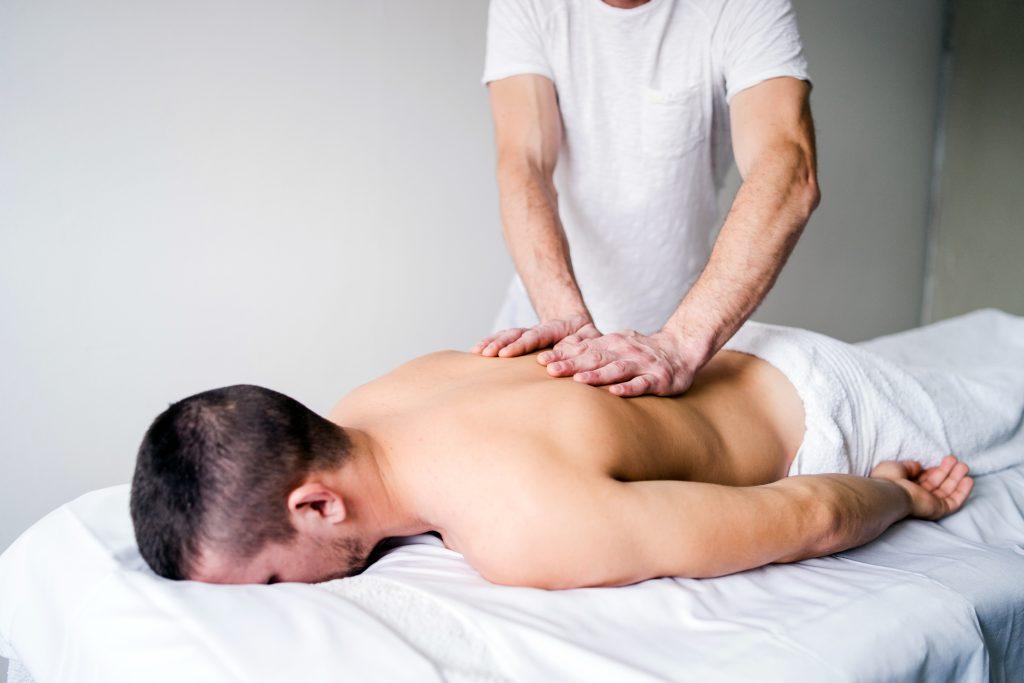
Massage Therapy is clinical health care focused on the assessment of soft tissues, joints, and the treatment of physical dysfunction and pain. RMTs/MTs use evidence-informed approaches to help support patients with a variety of health concerns, which may include muscle tension, injuries, mobility issues, chronic pain, or recovery from physical activity.
As a regulated health profession, Massage Therapy is grounded in professionalism, safety, and respect. Verbal, physical or sexually abusive behaviour has no place in Massage Therapy. This applies whether the behaviour is directed toward patients or toward RMTs/MTs. Patients can expect professional boundaries to be maintained at all times, and RMTs/MTs should be able to work in environments free from abuse. Everyone deserves to feel safe, respected, and supported.
You can use CMTO’s public register to find an RMT/MT
If you are looking for an RMT/MT, CMTO’s ‘Find an RMT’ tool is an important resource. ‘Find an RMT’ allows anyone to verify whether an individual is legally authorized to practise Massage Therapy in Ontario.
‘Find an RMT’ provides information about an RMT’s/MT’s status, registration history, practice location, and any restrictions or disciplinary findings that may apply. It is one of the easiest ways to confirm that your provider is a regulated health professional and accountable to Ontario’s professional standards.

Massage Therapy may be covered by your health insurance benefits
Many extended health benefit plans include coverage for Massage Therapy services provided by an RMT/MT. This means that patients may be able to submit the cost of treatment for reimbursement through their workplace or private health insurance plan.
Coverage can vary significantly depending on the insurer and individual plan. Some plans provide a set annual amount for Massage Therapy services, while others may have specific requirements related to receipts or claims submissions. Patients should check directly with their insurer to understand the details of their coverage before beginning treatment. Knowing what benefits are available can help patients make informed decisions about their care.

Your personal health information is safe and protected
When you visit an RMT/MT, you may be asked to share personal health information such as your health history, symptoms, medications, or treatment goals. This information helps your RMT/MT provide safe and appropriate care.
RMTs/MTs have professional and legal responsibilities to protect the confidentiality and security of patient information. Patient records must be collected, used, stored, and disclosed appropriately and only for authorized purposes. Safeguarding personal health information is an important part of maintaining trust between patients and healthcare providers. Patients should feel comfortable asking questions about how their information is handled and protected.

Consent is key when receiving Massage Therapy care
Consent is a fundamental part of Massage Therapy treatment. Before every treatment begins, patients should receive information about the proposed assessment or treatment, including its purpose, potential benefits, and any relevant risks. This allows patients to make informed decisions about their care.
Consent is not a one-time conversation. Patients can ask questions, request modifications, withdraw consent, or stop treatment at any time. RMTs/MTs are expected to communicate clearly throughout care and to respect patients’ decisions. Open communication helps create a safe environment where patients feel comfortable, informed, and in control of their treatment experience.

CMTO is here to support Massage Therapy patients
CMTO’s role is to protect the public interest and support patient confidence in the profession. In addition to regulating RMTs/MTs, CMTO provides resources to help patients understand Massage Therapy care, know what to expect during treatment, and make informed decisions about their health care.
By promoting accountability, transparency, and high Standards of Practice, CMTO helps ensure Ontarians continue to receive safe, ethical, and professional Massage Therapy care.

